Relentlessly Rewarding - Nine Years of Untapped: A Conversation with Founder Will Yoxall

Today, Untapped turns nine. To mark it, Steph sat down with founder and CEO Will Yoxall for an unscripted conversation about how it all started, what's changed, what hasn't, and where the agency goes next in an industry being reshaped by AI. What follows is that conversation.
Origins
Let's start at the beginning, who you are, your role, how you first got into digital?
Will: So I am Will Yoxall, CEO and founder of Untapped. Untapped's first iteration started as next-gen web design when I was at university. From as soon as I started building websites when 17, when I was training to be a scuba diving instructor living in Malta, and I quickly realized that I had a love for building digital products and that's where I wanted my future to go. Couple that with a natural entrepreneurial spirit and reverse engineering businesses. And as soon as I got to university, I was building websites for people on the side.
Fast forward many years, obviously, I left university and got a full-time job and worked for a couple of companies, predominantly making mobile websites and the really annoying pop-up ads that show on mobile apps. So, apologies, everyone, for that. And after two or three permanent placements, I actually got made redundant, which was the best thing that ever happened to me. I'd recently made an ad format for the advertising company that I worked for that made them several million pounds. And that gave me the belief that I had the intuition and the ideas to go alone in the world. I think at the age of about 24, 25, and mix the skills of sales, business strategy, and the grounding in technology and UI/UX that I'd got to that point.
Take us back to the very early days, what did the reality of getting started actually look like?
Yeah. So, getting started to myself meant survival, I think is the best way to put it. You have no regular source of income. So, I was a freelancer, I was a one-man band. And there was always a vision to build a brand and an entity. So, you know, Untapped, my single freelance brand name, was built with this vision of building it to a 20, 30 person agency and being a full service agency, that love of that digital products entailed, not just websites or mobile apps or marketing or brand identities, but everything.
But those early days, you're doing something completely new, you're fending for yourself. In hindsight, I probably would have got more industry experience, so I feel like I learned through the school of hard knocks. And as a result, I think it was five years of being freelance. And as we were growing over those first five years, I hired freelancers to help on big projects when they came along. I was a software engineer before then, so a lot of what we were doing was software engineering. But I needed branding and UI/UX experts and marketing experts, and I'd bring freelancers on. But it was about five years until we made our first full-time hire, who happens to be Glen Saunders, our now Creative Director. And I think that timeframe would have been shorter had I carried on my career progression, which was quite senior in my early 20s, I was already into management.
The Journey & Growth
What has it been like shifting from hiring freelancers to building a dedicated team?
That's a great question. The shift is very much focused on enabling people to grow, which was always one of my personal mission statements, not the mission statement that you put on your investor deck. But to me, in my early 20s, I had a string of managers that could have, I felt, done better to support me at the time. I remember I got a very formal discipline procedure in my early 20s alongside making lots of money for the company, which wasn't really my role as a software engineer, and I was doing lots of great stuff. And ultimately it came down to the fact that, from my perspective, I was moving too fast. I was finishing the work I was assigned too quickly, and there wasn't a controlled backlog for want of a better term. So I got bored, or went on long lunch breaks, or what have you. It was a symptom of the environment.
And what that really made me realize was that you can do really high-quality work, you can push boundaries within industries, you can innovate, you can be creative, but you can do all of that in an environment that supports young people to grow in their careers. And so that's what I wanted to achieve. Now, moving forwards to where we are now, we've got a really good mix of senior experienced people, I think one person in our team has 40, 50 years career industry experience behind them, so there's a few others that have decades. But then we've got a number of people, we've got two apprentices on the team, and we've got a number of people who are earlier in their career.
And I think it's important to provide that balance, because you tend to get stuck in a way of thinking as you get further on in your career, and anyone who's younger in their career has more experienced people to learn from, and we build a culture around that. The change in going from freelancers to a full-time team is that we had to ensure we stayed true to our culture, and we had a culture of fostering people's growth, and that we set things up that way. One of my core values as an individual is to provide people with the environment to grow and do their best work. And if we do that in a strategic manner, then brilliant things will happen for us as a company and for our clients. But really embedding that, and it not being words but being actions, is the biggest shift between having a team of freelancers and a full-time team.
Looking back across 9 years, what's changed most about how Untapped works day to day?
I think the thing that's changed the most is that we now have multiple department leaders and line managers within different departments, and lots of specialists able to work on their given tasks. We have a big group of people, different cultures, different seniorities, and it comes together as a vibrant mix of different opinions and different strengths, and we blend all of that through. But what's the same now as it was nine years ago is the quality standard that differentiates us from the rest of the market.
Ensuring that you give people room to grow and to make mistakes. I'm a big believer in making mistakes, it's one of the best ways to learn. So you've got to set a culture where people can make mistakes internally, but then you correct them in a supportive way before they're with a client. So from a client's perspective, it's always the top quality bar.
Small Wins
Is there a small, maybe unglamorous win along the way that still means a lot to you?
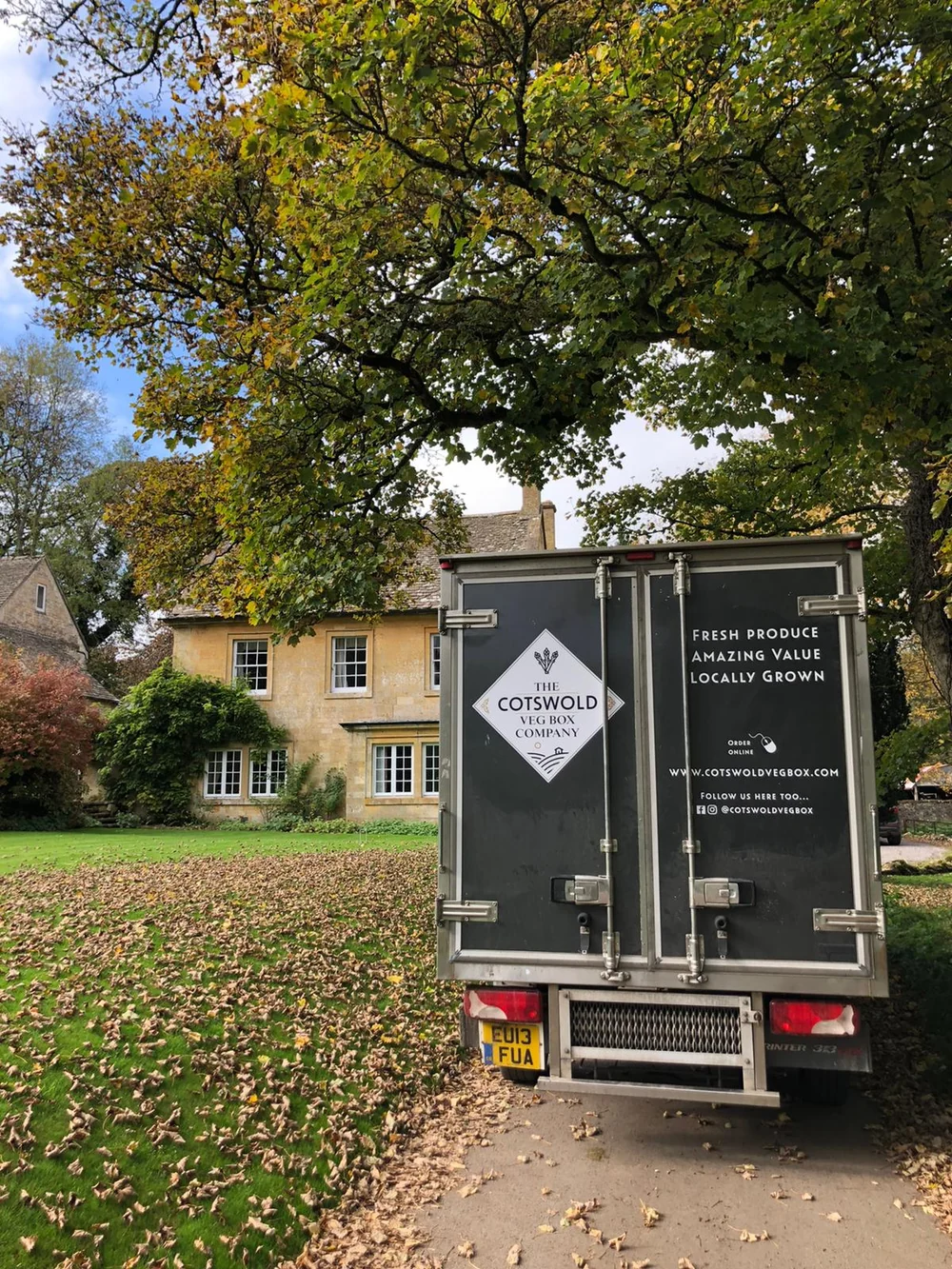
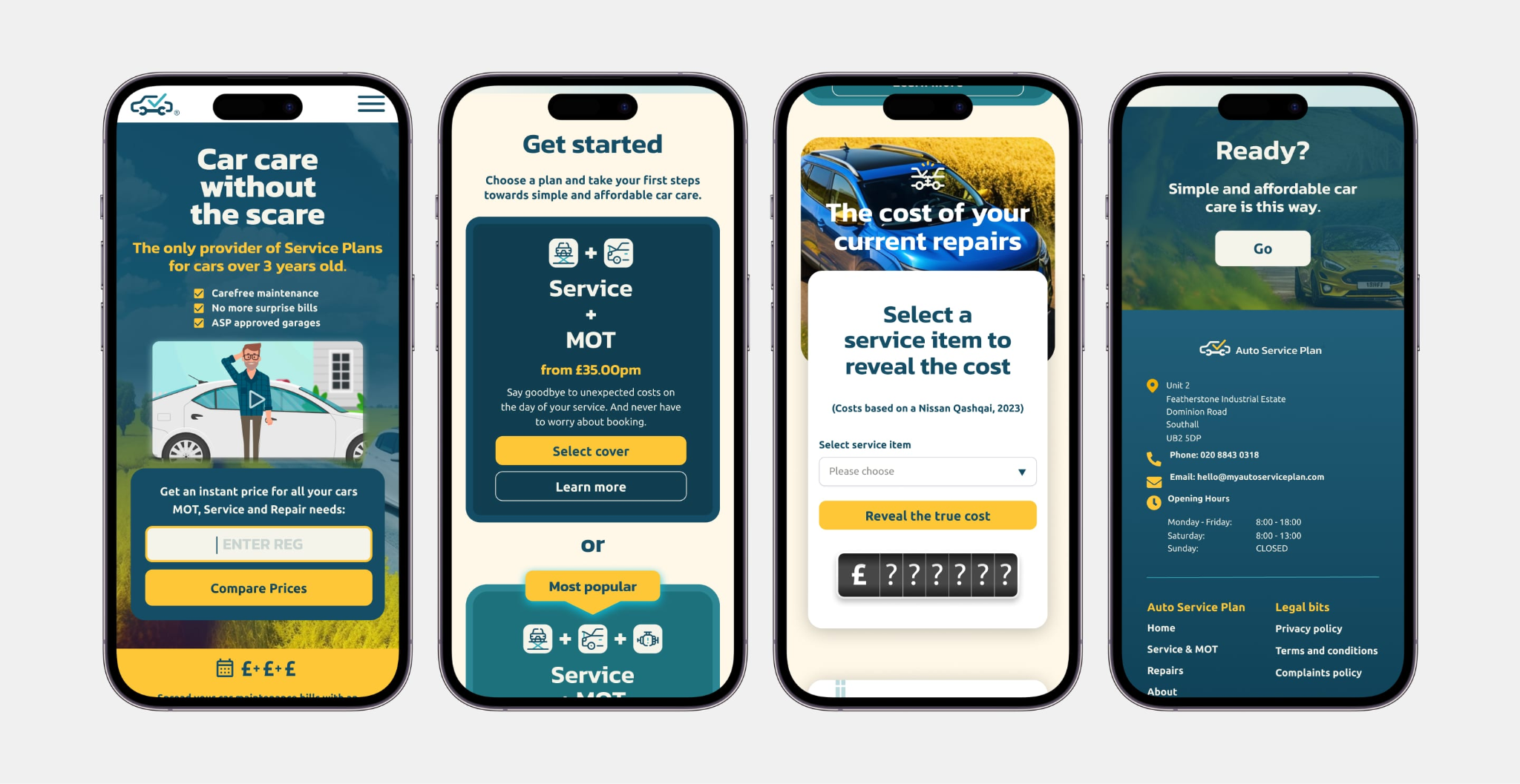
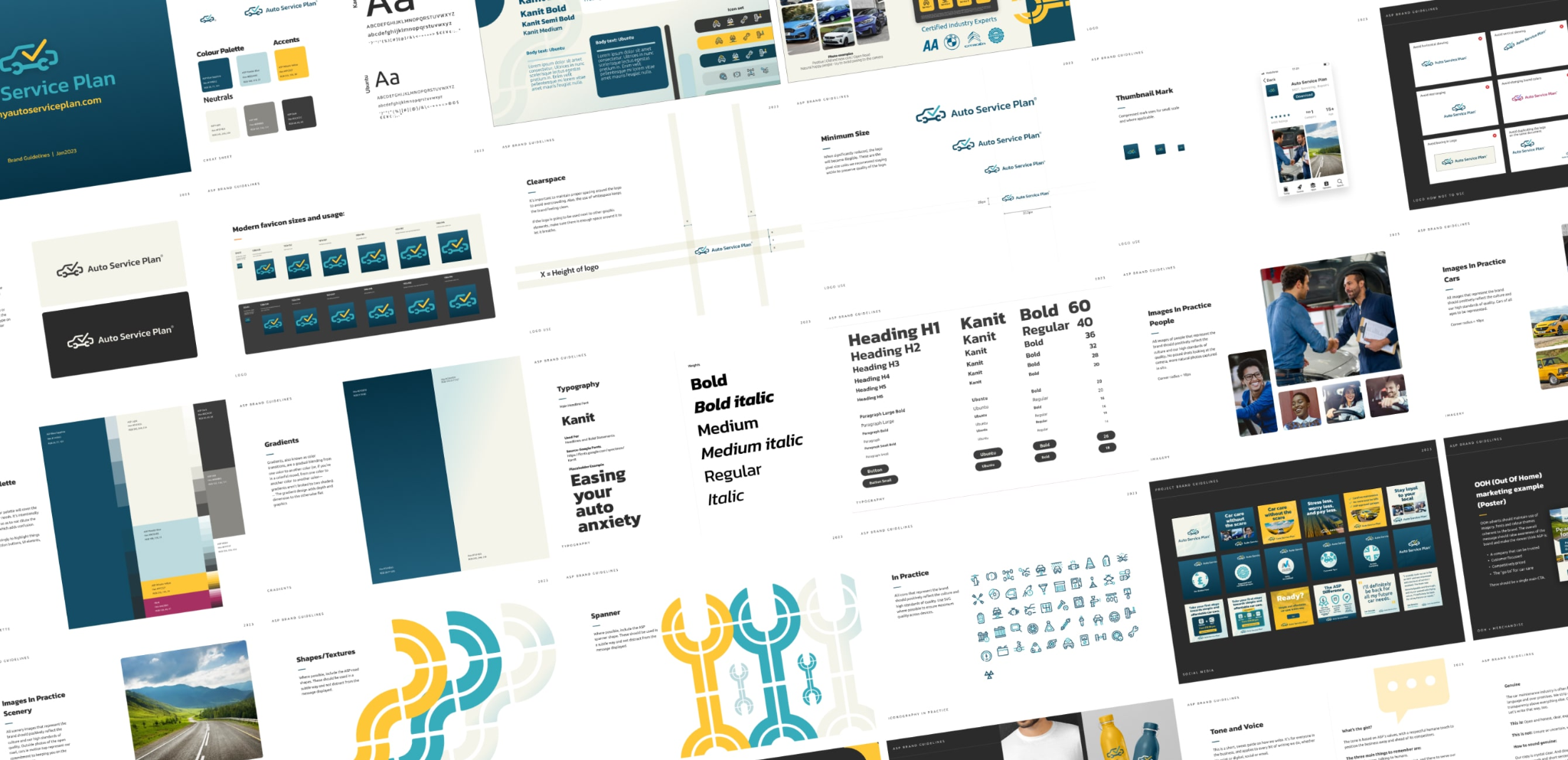
Seeing a brand logo that we had developed on the side of a delivery truck, that was a milestone moment. It's the one and only brand identity that I ever did myself, and I'm not a fully-fledged designer, I'm someone who has some design skills. It took me about 20 days longer than it would have taken anyone else because I was finessing, so our experts have since gone back and refined it and made it better. And there's My Auto Service Plan, a company that we named in a branding workshop.
And seeing our team grow, we've got our first junior hire who's now brushing on the edges of becoming a senior, having been with us for four or five years. Watching that person be able to take on more responsibility and proactively grow the team, the projects, and bring fresh ideas to the table that they just wouldn't have had the experience for a few years ago, is very rewarding, if rewarding is the right word.
What's a client moment that reminded you why you do this?
Seeing the Wayback ads on the TFL tube line. Where they had digital billboards created by Havas, so it was a partnership with Havas, one of the biggest marketing and advertising companies in the world. The Wayback is set in the 1950s and 1960s, it's designed to trigger memories for people with dementia and Alzheimer's, so they had actors in outfits from those eras who kind of walked up the escalator with you. It was really creative, seen by millions of people across London. And that particular project is tech for good, and it always gives the warm, fuzzy feels.
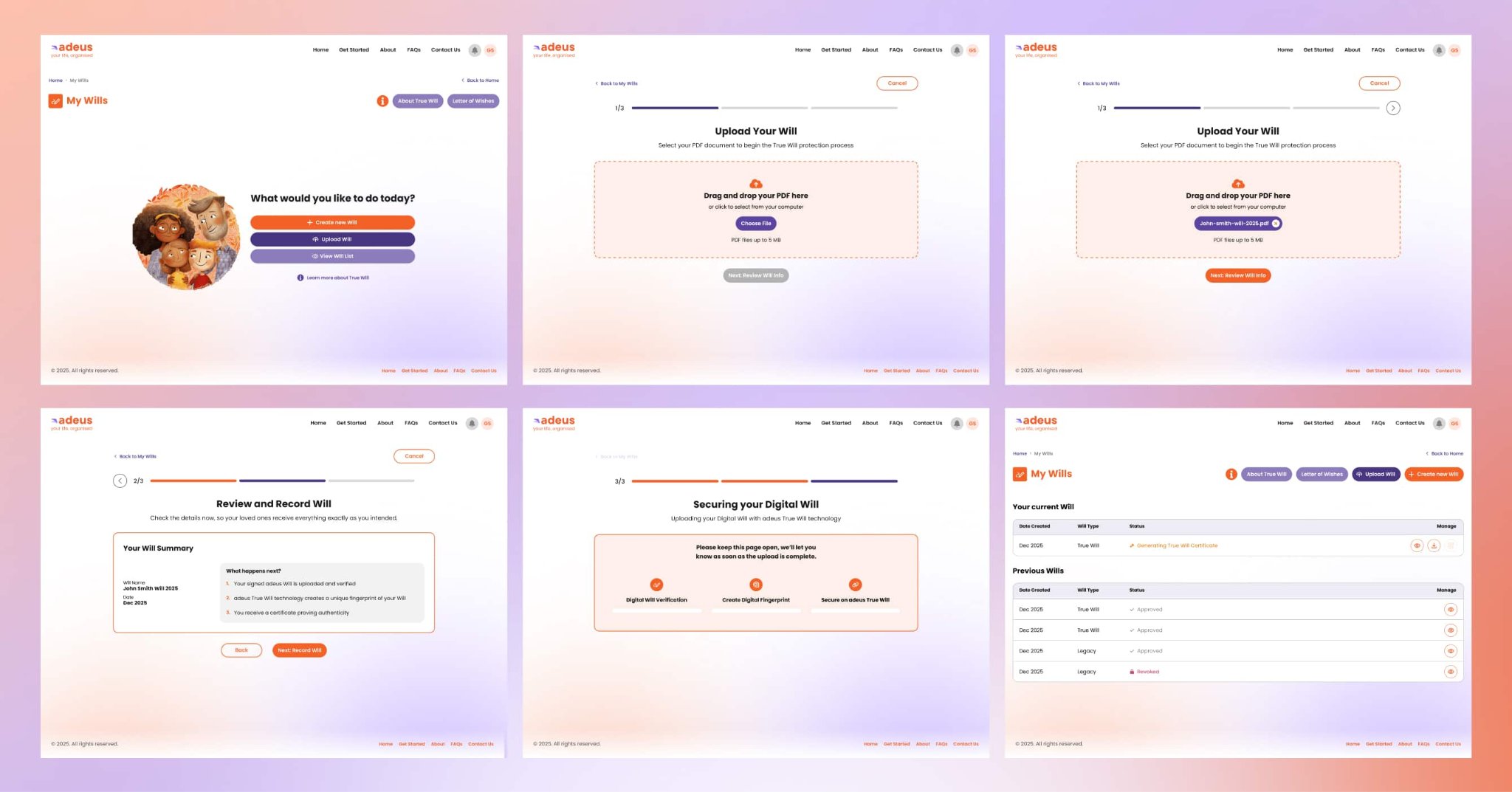
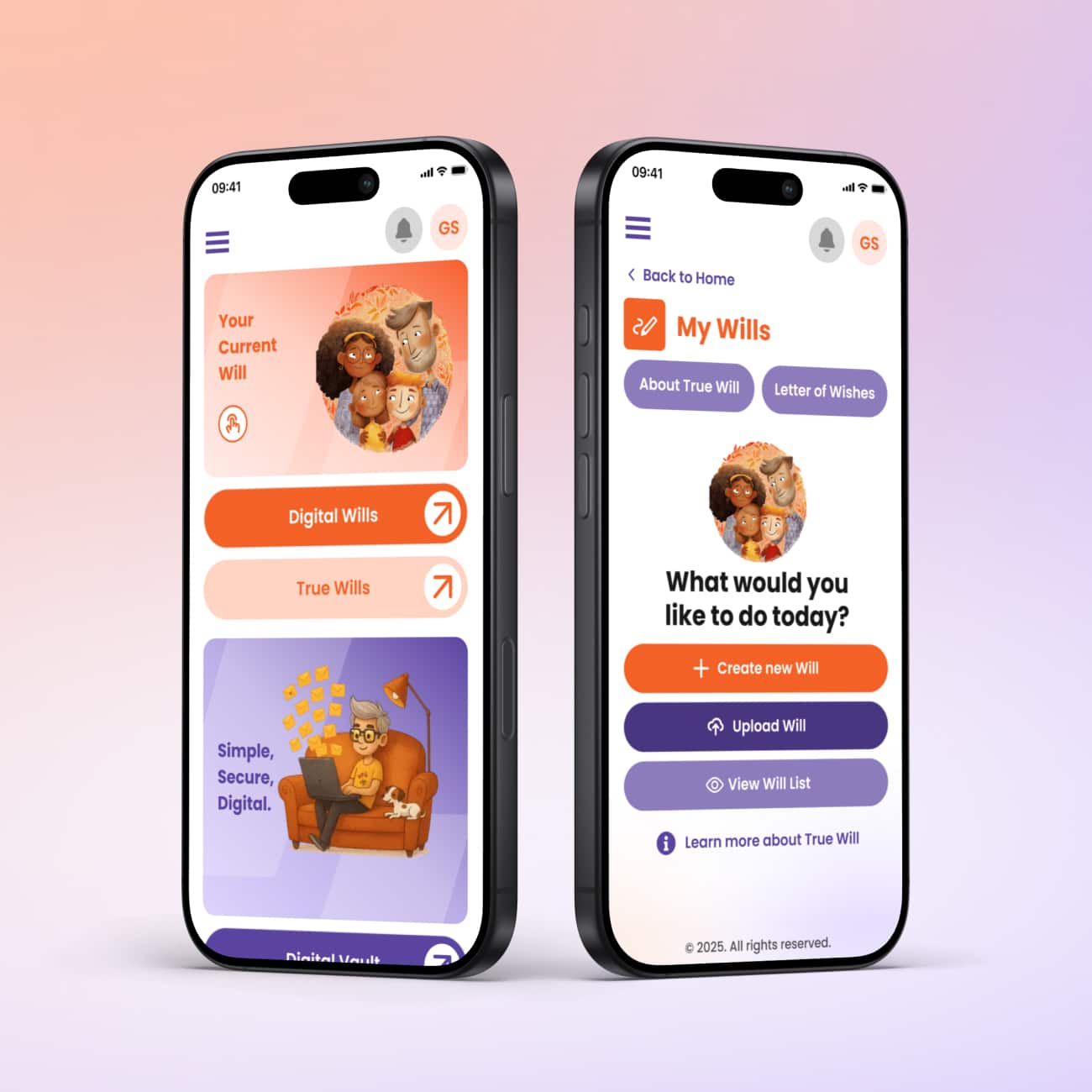
More recently, watching adeus, a digital will company. They're at the forefront of making wills electronic, which have been paper-based for hundreds of years, and digitalising industries has always been a core focus of ours. So we embarked on a big UX research discovery phase with them, then did all of the UI designs for their platform and helped them build it. They're still releasing parts of that now because it's been staggered over time for business-critical decisions on their part, but each time a part of that goes live, having helped them and been integral to digitalising this industry is always a proud moment.
As recently as last week, we conducted a workshop with 25 or so people at The Priory Group. We've worked with a number of enterprise companies over the years, Ogilvy, Barclays, Utility Warehouse, Amex, and I'm sure there's loads more I can't think of on the spot. But The Priory is one we reached out to and built the relationship with ourselves from scratch, rather than a referral or recommendation. It's the start of a big product development we're working on with them, so running that, going into their boardroom, running it with all their senior stakeholders and hearing them say things like "we love your questions, they really challenge our way of thinking," and keeping that many people engaged in our process and what we've been refining over eight years, was a proud landmark moment.
Unexpected Moments
What's the most unexpected turn the business has taken, good or bad, that you never saw coming?
I think the biggest thing I didn't see coming is when we acquired the intellectual property rights to the Wayback. It's a product we originally built for a client, one of Untapped's first ever projects 8.5 years ago, and certainly our first major app that we won independently and delivered. Then two years ago, we acquired the intellectual property rights from them in a deal, and we now manage the product and are taking it forward.
I don't think I saw that one coming, but I'm very glad that it did.
Was there a moment things nearly went very differently?
From an Untapped perspective, there have been a few hairy moments. I think it's peaks and troughs as an agency, and we've got to where we are without any external investment, through a lot of hard graft.
We've never had to let anyone go. We've made sure our growth has been steady and consistent, not taking on too much and growing too fast that we can't handle it, or that our clients' work suffers, but equally making sure that we're always growing, always taking on more, and always able to deliver more.
There have been a few times where it's got hairy, certainly in the earlier years when we transitioned from being a solo consultancy into an agency, about five years ago, and started building up our client base and taking on hires. I take that level of responsibility seriously, paying people, knowing this job is their livelihood. It's what they get up in the morning for, well, Monday to Friday at least. But it is their livelihood, and it's really important, and I take that really seriously. I've never wanted to do anything to risk that. But certainly, the more staff you have and the more you take on, the more responsibility there is.
Lessons Learned
What's the biggest lesson you've learned running Untapped?
The biggest lesson I've learned, I'm going to start with a tongue-in-cheek answer first, which is have a good breakfast at the start of every day, because no one tells you as a founder that you sacrifice your lunch breaks. I probably haven't had a lunch break in nine years. But in seriousness, when growing any type of company, it's the hiring, and making sure your hires are good. We're incredibly proud that I don't think we've ever had a hire that hasn't worked out, which is testament to a lot of things, but mostly the entire Untapped team, who are very involved in our recruitment process when we're opening up new positions and expanding, and the way that we all show up and communicate the values and the quality it means to be Untapped, and work at Untapped, and work for our clients.
Never sacrifice on quality. There are lots of times when, for good reasons, people need things in a rush, or budgets are constrained, and there are lots of very justifiable reasons why you need to turn things around quicker or reduce scope, but always do so in a way that doesn't compromise the quality standard. Because particularly in this age we live in now with AI, it is much easier and cheaper and quicker to build mediocre, and there's always been lots of people out there doing mediocre work. There's nothing wrong with that, I think it has its place in society, for startups and proof of concepts where spending the big bucks on high quality isn't the right business decision. But what has always set Untapped apart, from day one, is the quality. And when you really hone in and focus on that, it shines through time and time again.
What would you tell yourself on day one, knowing what you know now?
It's gonna be harder than you think it is, but more rewarding than you ever thought it could be.
Agency life comes in peaks and troughs, that's true of all agencies. Untapped has been expanding through a period of economic struggles, we've had COVID and lockdown, which had a detrimental effect on the digital industry to start with because there was so much upheaval. Then everyone realised the world depended on digital products even more than before, but there was so much uncertainty that budgets for projects were restricted. It's been a very difficult time for our industry, so the fact that we've been consistently growing gradually year on year, and still providing the service levels and the quality we have, is incredibly rewarding. Being able to see people grow into roles they maybe hadn't even envisaged at the start of their career, or when they started at Untapped. It's harder, it's longer hours, and I don't mean to glorify the grind, it just is. But it's incredibly rewarding.
Industry & AI
How do you see AI reshaping the digital space, and where does Untapped fit as that shifts?
It's a brilliant question, let me refer to my crystal ball. I think the world is changing at an ever-increasing rate, that has always been true. I think the technology shift we are seeing at the moment is bigger than the dot-com boom, the last major one, when the internet really kicked off. It will become faster and cheaper to produce technology, but not necessarily at the quality levels that Untapped has come to operate at, and if it does, it will take longer than people realise. I do not think AI is going to replace all our jobs in the next six to twelve months, which I've heard some people say. But I do think it's going to change the way we work, in the same way that when televisions were invented, it changed the way we consumed media, from using our ears to using our eyes. So I think it will change the way we work and the way we operate. But in the best possible way, I think it will be the most powerful tool mankind has ever had. Going back to when cavemen first invented stone tools, all the way through the light bulb, the automobile, or car as we more commonly say in the UK, the television set, the internet, all of these can be seen as tools to do a particular job. I think AI will be the most powerful tool mankind has ever had at its disposal. How that pans out, I don't think anyone can know. But it's exciting to be leading a company that's at the forefront of that change, and responsible for the ethical and moral use of AI in the right ways, responsible for training and educating our clients, and understanding how we use it internally.
There's no coasting anymore. Not that there ever really was or should be, but in a lot of industries, people find patterns that are successful and profitable and then repeat that pattern. AI has kind of taken that safety net away, every day is different, every week things are changing. Because of the way we work at Untapped, I think that only supports our differentiation.
That's one half of the answer. The other half is around AI slop, and it's already a major problem, LinkedIn brought out a report on it, as AI slop became a major talking point only last week. Slop is low-quality stuff pumped out quick and easy without human intervention in the loop and experience. Trust sits alongside that, we're already in an era where you have to question what you see in media, is it real, has it been generated? It's easier to fool people, deepfakes, all of that. That's something we need to be very conscious of as an industry, and make sure we're playing an active role in fighting it, not supporting it.
Closing
What are you most excited about for the next chapter? Let's start with yourself and then Untapped.
For myself, it's going to be watching my boys turn into young men. I've got two boys, and I was always desperate to be a parent, I was the broody one in our household. It really made me question and understand my priorities in life, particularly as an entrepreneur, someone who worked very long hours all the time before I had kids. In a positive way, I think it's made me a better entrepreneur, more focused, more decisive. But they are the be-all, end-all, and ultimately what it's all for now. I want them to grow up in a world that we've had a say in how we create it, one that is as safe and as enjoyable and rewarding as possible.
For Untapped, I want us to continue doing what we've done to date, which sounds really cliché, but I want us to stay at that intersection between innovation and technology, creativity and design, and strategy and business, and use those skills to allow our clients to continue to disrupt industries and create innovative, engaging products that are enjoyable for their customers to use day to day, that not only give them return on investment and drive up their bottom line, but also enrich our clients' companies with genuine, game-changing tools and products in their arsenals. And a little sneak peek into the future, I think you'll see a lot more of Untapped over the next five years.
If you had to sum up 9 years in one line, what would it be?
Relentlessly rewarding, and I can't wait to do it again.
Anything else?
I would like to give a heads up, credit and kudos to Steph, who conducted this interview, and I'd like to recommend she starts a podcast, possibly starting with the Untapped podcast. No, but that's a very serious point, make sure that works its way in. I just love being philosophical, I like thinking deeply and analysing, so it's always a good time for that, birthdays, year ends, year starts, and this is a company birthday, it's a good time to do this. We've come on leaps and bounds. Genuinely just want to keep doing more of the same. I'd say raise the quality bar, but it's hard to raise what's already high, so it's more about the quality of the process, the speed, staying at the forefront of the AI revolution, and really making sure we're empowering our clients with the expanding technology.
Steph: I just wanted to also thank you, on behalf of the whole team. When I was younger, I always wanted to have a business, and working so closely to someone who owns one has really opened my eyes to the many avenues and the hard work it really takes, on top of having children, a fiancé, a wife, and all the accomplishments. I think you're too hard on yourself, actually, but I understand, it's a hard mindset to get out of. The intentions you have for Untapped are materialising, and whether it's a good year or bad year, a good month or bad month, there's a lot of credit due to you, and to everyone else.
Will: Thank you, I appreciate that. But that has to be extended to the whole team, and that becomes truer and truer the longer we go on, the bigger the team gets. We wouldn't be where we are without every member of the team pulling their weight, going the extra mile, doing what's required, being proactive, bringing fresh ideas, perspectives, and cultures to the company, and then allowing us the time and space to blend all that into the excellence. I'll have a pint of excellence, please.





Any thoughts?
Leave a comment